While the title of this article is the plural form of bear, implying that there are multiple types of bears, we really only have one type of bear in the Smokies, the American Black Bear (Ursus americanus). We do have a lot of them so maybe the plural form is okay to use? I really don’t know. Grammar is not my thing. I am getting off-topic, where were we? Oh yes…
The American Black Bear
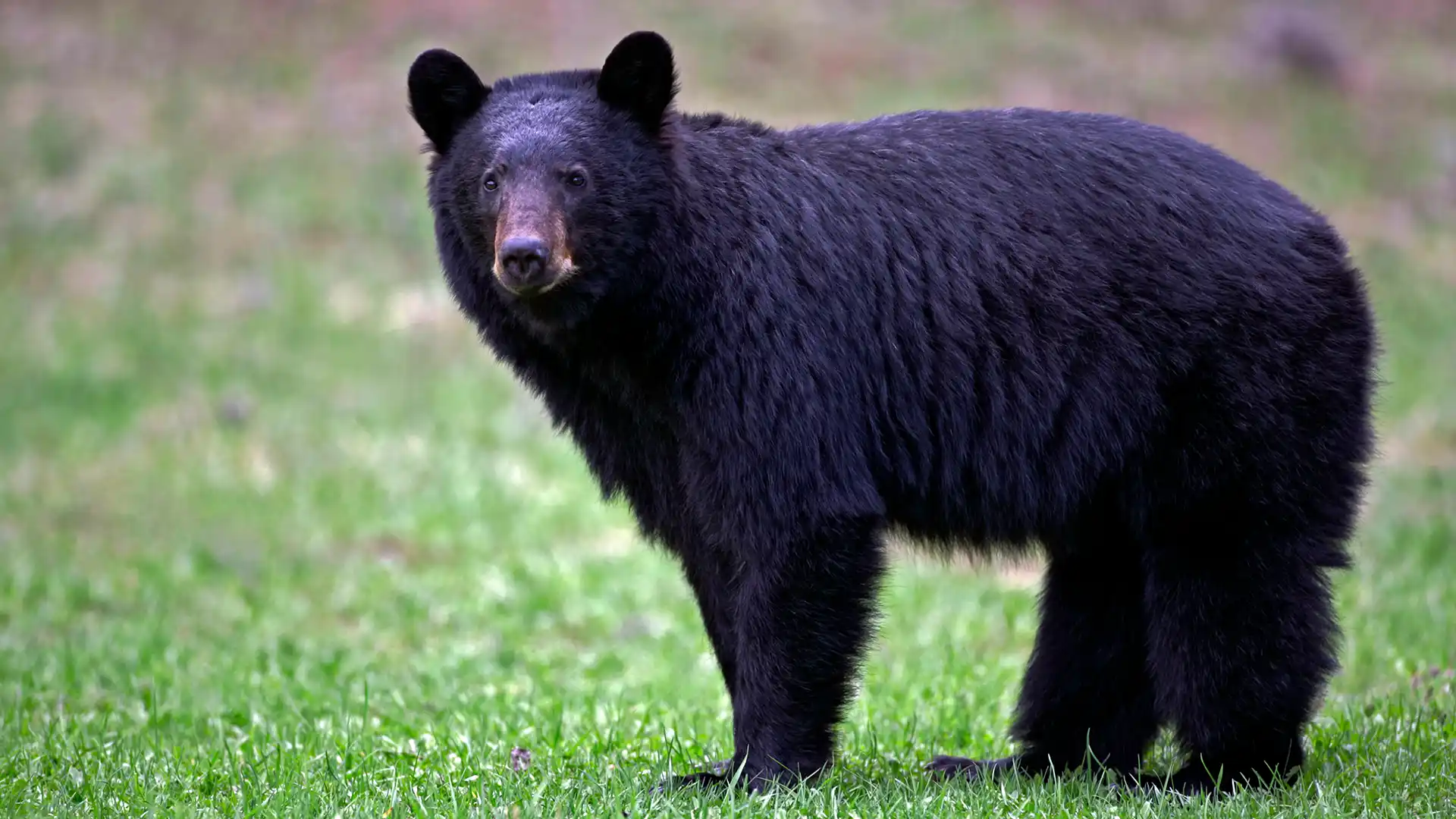
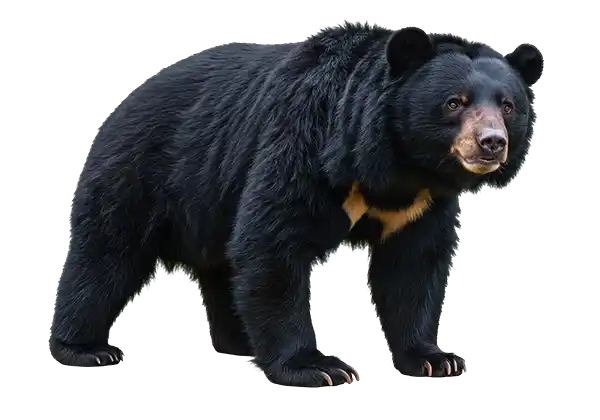
They are beautiful and majestic animals if you ever have the opportunity to see one in person. They roam our forests and woodlands and are an important part of our natural, cultural, and historical heritage. They are typically black (as the name would suggest) with a brown muzzle and may have a white patch on their chest. They can be 5-6ft in length and 2-3ft tall when on all fours. The female black bears will typically weigh 100-300lbs while the males can be significantly larger at 200-700lbs. Black bears are omnivorous and are great swimmers, tree climbers and runners. They can reach speeds of up to 30 miles per hour!
There are an estimated 1,900 black bears within the boundaries of the Great Smoky Mountains National Park but it is important to note that the bears range extends well beyond the park. They can really be found all over Western North Carolina, Eastern Tennessee, and beyond. This region is their home and they really don’t pay attention to boundaries, borders, or anything like that. Black bears love large expanses of uninhabited forests, woodlands, or swamplands with dense cover.
Where Can They Been Seen?
You could technically see them just about anywhere inside the Great Smoky Mountains National Park but there are three popular spots that are common for bear spotting inside the park. Two are one-way loop roads where you casually drive through and enjoy the scenery while the other is a beautiful valley filled with historic sites:
- Cades Cove
An 11 mile loop (one-way) that is very popular and can be somewhat crowded at times. Your best bet for seeing wildlife is to arrive early, really early, when there are less people. This road, however, is only open from sunrise to sunset so you can’t get there too early. It is also important to note that from May through September the road will be closed on Wednesdays for exclusive access to pedestrian and bicycle traffic. - Roaring Fork Motor Nature Trail
Another loop but this one is a little shorter at only 5.5 miles. As with Cades Cove, your best bet is to arrive early to avoid the crowds. This particular road is open 24 hours so you can get there early but you wouldn’t want to arrive too much before sunrise as you wouldn’t be able to see anything. This road is also seasonal and typically closed from 12/1 – 3/29. - Cataloochee Valley
One of my favorite spots in the park as it is typically less crowded. It is a little off the beaten path and is a bit of a drive from many of the more common areas of the park but it is completely worth it in my opinion. It is a great wildlife viewing area, this is true, but it is also filled with a number of historical sites to learn about that are also neat and interesting to check out.
Be Bear Aware and Stay Safe!
I truly hope that if you are visiting this area you get to view and safely encounter one of our beautiful black bears. It is important, however, to remember that these are wild animals and can be both unpredictable and dangerous. Your interaction and actions can greatly influence this too, so it is important to know how to safely co-exist with these animals while you are visiting their habitat. The National Park Service is your best source for information on the bears in this area. Be sure to check out their website or talk to a ranger if you see one. It is also important that you are prepared when visiting the area particularly if you plan on heading out into the woods. We recommend renting and carrying bear spray while you are in the area. It is a safe and non-lethal deterrent that can be employed if you encounter an aggressive bear. Have fun and be safe!
